• Skip to primary navigation
  • Skip to main content
Danny Brown

Danny Brown

podcaster - author - creator

  • About
  • Podcasts
  • Journal

influence marketing

InNetwork, the Drive for Authentic Influence and What It Means for Brands

InNetwork influence roster

In the book Influence Marketing, we dedicate a chapter to some of the platforms we felt were leading the way in the next wave of influence marketing.

These platforms include Traackr, Tellagence and others, for the way they’re moving beyond generic influence and actually delivering business intelligence and results.

Of course, the limitations of a book, as well as how fast this space moves, meant as soon as we’d finished, new platforms came into play that impressed just as much.

One such platform is InNetwork, from Nova Scotia, Canada.

Quality Assurance and Influence

The beauty of the platforms that are moving the influence conversation forward is that they all have something different to offer, and can either complement each other or be used because of these differences for specific campaign needs.

  • Traackr, for instance, has their new INA solution, which allows you to see who influences the influencers (a key factor for success in the methodology we present in the book);
  • Appinions takes into account offline data, which counters the “you’re only influential if you’re online” approach that the likes of Klout take;
  • Tellagence tracks the ebb and flow of influence across communities, and helps identifies the next layer or generation of influencers.

For InNetwork, their differentiating factor is the authority stance they take when identifying influencers.

InNetwork initial influence

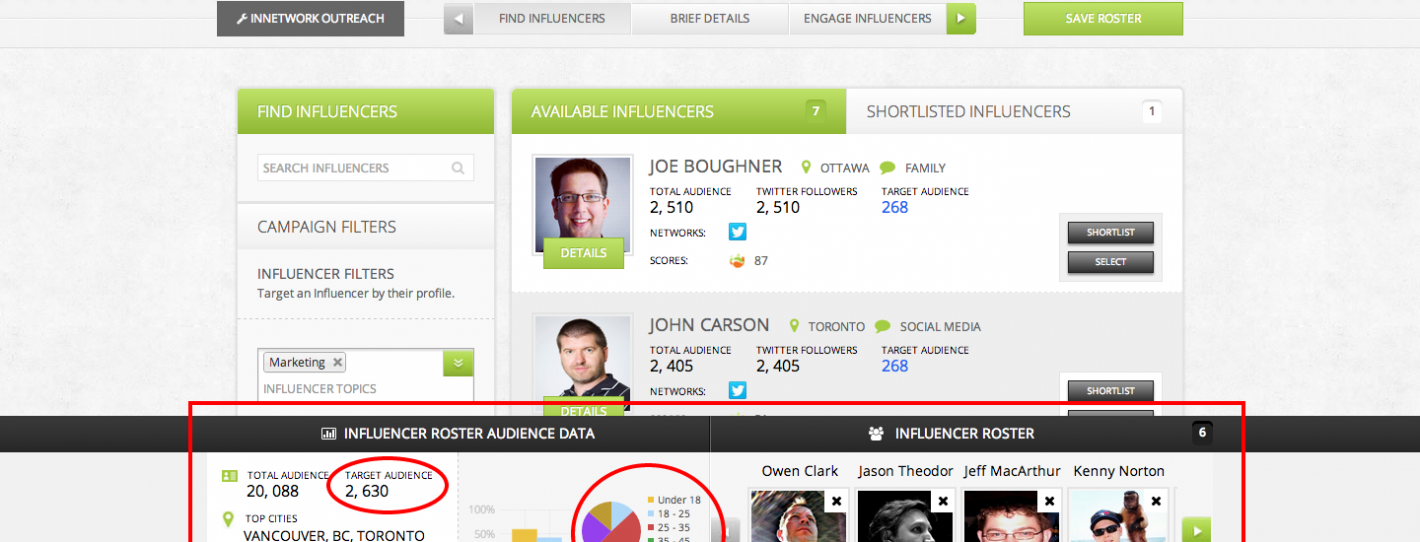
When you use InNetwork as a marketer and you set up your first campaign, you enter the keywords around the industry you’re in, and the target audience for that industry. That starts to populate InNetwork’s influence roster, as highlighted in the image above.

There are two types of influencers on InNetwork – registered and searched. The registered ones are those that have connected their data to the InNetwork database, and these are highlighted by blue stars.

The searched ones are those that haven’t registered with InNetwork, but have dropped into your search based on keywords used.

This is where the first part of the InNetwork Authority metrics comes into play.

When an influencer registers, they are manually curated by the quality control team at InNetwork, who verify authority on a topic, that they aren’t a bot or fake account, that the numbers add up, and that the influencer actually knows what they’re talking about. Only then do they gain access to the system.

This offers an immediate benefit for brands used to using social scoring platforms for “influencer outreach” campaigns. No more generic, no more false expertise – instead, real influencers with real audiences.

But the authority doesn’t stop there.

The True Audience of Influence

Once you start to use the various filters while setting up your campaign, the audience number of the influencer changes.

While someone may have a collected “follower” number of 10,000 across Twitter, Facebook, blogs, etc, not all 10,000 are going to be interested in the same thing.

For instance, a marketing blogger’s audience may be made up of small business owners, Fortune 50 executives, non-profit volunteers, etc. They need different information for different strategies.

Likewise, a lifestyle blogger may have married moms with teens, single moms with a toddler, retired moms, etc. Again, they’re going to need different messages targeted to their different buying needs.

As you add extra keywords and demographics into the InNetwork algorithm, it starts to show you what the true audience size for these filters looks like, as shown in the image below.

InNetwork true audience size

Now, instead of a non-targeted couple of thousand followers, you have access to a very targeted couple of hundred, that are in your target audience demographic and trust the advice of that particular influencer on that topic.

It immediately ramps up the success potential versus throwing a generic message at 5,000 audience members and seeing what sticks.

The more filters you add, the more targeted results you get, until you have a roster of influencers with a warm and engaged audience that’s right for your brand and the message/product/service you’re trying to promote.

The One to One Relationship Factor

Now that you have your chosen influencers, InNetwork adds the final piece of the authority puzzle.

Brand managers, or whoever’s responsible for the relationship with the identified influencers, now have access to a Brief and Statement of Work area, as well as a private messaging function directly with the influencer, as shown in the two images below.

InNetwork 5 brief

InNetwork engage influencers

Here, the brand can connect with the influencer directly, and propose their project as well as their requirements, goals, expectations, compensation and more.

In return, the influencer can negotiate that statement of work, to ensure that the message that’s shared with their audience is right for them; doesn’t impact the trust of the influencer; and offers a fair reward for the work that’s being done.

With both sides working together like this, it ensures the brand’s message is going to the right audience, and that the brand is allowing the influencer to share the message in a way that’s relevant to their community.

It’s one of the core reasons any campaign succeeds and, more importantly, moves beyond a short-term campaign and into a longer term loyalty and advocacy relationship.

Once the campaign finishes, the influencer can be “ranked” for relevance of message, results, goals met, and general working relationship. This again helps InNetwork connect the strongest influencers for brand messages, based on their proven metrics and successes in similar campaigns.

The Future Looks Bright

InNetwork only came into public beta launch at the beginning of June, but already you can see they put a lot of legwork in when it comes to providing the type of solution agencies want and need.

The fact they carried out a lot of pre-build conversations with brands and agencies as to what solutions would be useful shows in the features highlighted here.

There are some features currently missing that I’d love to see added – the ability to add your own search terms, versus the pre-defined ones, for instance. Additionally, reports are currently generated by a client services team versus being able to define your own metrics and apply that data manually.

However, it’s still early days for InNetwork and these are two features that have been promised in either the next iteration, or an update before the year end.

For brands right now, the platform offers a solid, very easy-to-use solution that takes the pain out of identifying the true reach and relevant audience for an influencer roster, as well as baking in authority data throughout the whole platform.

It takes influence marketing into another excellent and much-needed direction and for that I’m extremely optimistic about what InNetwork is adding to the influence conversation.

The market continues to mature – and that’s never a bad thing.

This post is part of a demo program I’m running in partnership with InNetwork, to test the platform and offer feedback and direction on the platform itself. No financial compensation was exchanged, and these opinions are my own.

If you wish to trial the platform, you can sign up here. During the beta phase, InNetwork costs $499 per month for an agency site license for up to 5 users on unlimited campaigns. Brands can use it directly for $249 per month for three users. ?

InNetwork, the Drive for Authentic Influence and What It Means for Brands

InNetwork influence roster

InNetwork influence roster

In the book Influence Marketing, we dedicate a chapter to some of the platforms we felt were leading the way in the next wave of influence marketing.

These platforms include Traackr, Tellagence and others, for the way they’re moving beyond generic influence and actually delivering business intelligence and results.

Of course, the limitations of a book, as well as how fast this space moves, meant as soon as we’d finished, new platforms came into play that impressed just as much.

One such platform is InNetwork, from Nova Scotia, Canada.

Quality Assurance and Influence

The beauty of the platforms that are moving the influence conversation forward is that they all have something different to offer, and can either complement each other or be used because of these differences for specific campaign needs.

  • Traackr, for instance, has their new INA solution, which allows you to see who influences the influencers (a key factor for success in the methodology we present in the book);
  • Appinions takes into account offline data, which counters the “you’re only influential if you’re online” approach that the likes of Klout take;
  • Tellagence tracks the ebb and flow of influence across communities, and helps identifies the next layer or generation of influencers.

For InNetwork, their differentiating factor is the authority stance they take when identifying influencers.

InNetwork initial influence

When you use InNetwork as a marketer and you set up your first campaign, you enter the keywords around the industry you’re in, and the target audience for that industry. That starts to populate InNetwork’s influence roster, as highlighted in the image above.

There are two types of influencers on InNetwork – registered and searched. The registered ones are those that have connected their data to the InNetwork database, and these are highlighted by blue stars.

The searched ones are those that haven’t registered with InNetwork, but have dropped into your search based on keywords used.

This is where the first part of the InNetwork Authority metrics comes into play.

When an influencer registers, they are manually curated by the quality control team at InNetwork, who verify authority on a topic, that they aren’t a bot or fake account, that the numbers add up, and that the influencer actually knows what they’re talking about. Only then do they gain access to the system.

This offers an immediate benefit for brands used to using social scoring platforms for “influencer outreach” campaigns. No more generic, no more false expertise – instead, real influencers with real audiences.

But the authority doesn’t stop there.

The True Audience of Influence

Once you start to use the various filters while setting up your campaign, the audience number of the influencer changes.

While someone may have a collected “follower” number of 10,000 across Twitter, Facebook, blogs, etc, not all 10,000 are going to be interested in the same thing.

For instance, a marketing blogger’s audience may be made up of small business owners, Fortune 50 executives, non-profit volunteers, etc. They need different information for different strategies.

Likewise, a lifestyle blogger may have married moms with teens, single moms with a toddler, retired moms, etc. Again, they’re going to need different messages targeted to their different buying needs.

As you add extra keywords and demographics into the InNetwork algorithm, it starts to show you what the true audience size for these filters looks like, as shown in the image below.

InNetwork true audience size

Now, instead of a non-targeted couple of thousand followers, you have access to a very targeted couple of hundred, that are in your target audience demographic and trust the advice of that particular influencer on that topic.

It immediately ramps up the success potential versus throwing a generic message at 5,000 audience members and seeing what sticks.

The more filters you add, the more targeted results you get, until you have a roster of influencers with a warm and engaged audience that’s right for your brand and the message/product/service you’re trying to promote.

The One to One Relationship Factor

Now that you have your chosen influencers, InNetwork adds the final piece of the authority puzzle.

Brand managers, or whoever’s responsible for the relationship with the identified influencers, now have access to a Brief and Statement of Work area, as well as a private messaging function directly with the influencer, as shown in the two images below.

InNetwork 5 brief

InNetwork engage influencers

Here, the brand can connect with the influencer directly, and propose their project as well as their requirements, goals, expectations, compensation and more.

In return, the influencer can negotiate that statement of work, to ensure that the message that’s shared with their audience is right for them; doesn’t impact the trust of the influencer; and offers a fair reward for the work that’s being done.

With both sides working together like this, it ensures the brand’s message is going to the right audience, and that the brand is allowing the influencer to share the message in a way that’s relevant to their community.

It’s one of the core reasons any campaign succeeds and, more importantly, moves beyond a short-term campaign and into a longer term loyalty and advocacy relationship.

Once the campaign finishes, the influencer can be “ranked” for relevance of message, results, goals met, and general working relationship. This again helps InNetwork connect the strongest influencers for brand messages, based on their proven metrics and successes in similar campaigns.

The Future Looks Bright

InNetwork only came into public beta launch at the beginning of June, but already you can see they put a lot of legwork in when it comes to providing the type of solution agencies want and need.

The fact they carried out a lot of pre-build conversations with brands and agencies as to what solutions would be useful shows in the features highlighted here.

There are some features currently missing that I’d love to see added – the ability to add your own search terms, versus the pre-defined ones, for instance. Additionally, reports are currently generated by a client services team versus being able to define your own metrics and apply that data manually.

However, it’s still early days for InNetwork and these are two features that have been promised in either the next iteration, or an update before the year end.

For brands right now, the platform offers a solid, very easy-to-use solution that takes the pain out of identifying the true reach and relevant audience for an influencer roster, as well as baking in authority data throughout the whole platform.

It takes influence marketing into another excellent and much-needed direction and for that I’m extremely optimistic about what InNetwork is adding to the influence conversation.

The market continues to mature – and that’s never a bad thing.

This post is part of a demo program I’m running in partnership with InNetwork, to test the platform and offer feedback and direction on the platform itself. No financial compensation was exchanged, and these opinions are my own.

If you wish to trial the platform, you can sign up here. During the beta phase, InNetwork costs $499 per month for an agency site license for up to 5 users on unlimited campaigns. Brands can use it directly for $249 per month for three users. ?
The Sunday Share ? Influence and Focusing on the Customer

Crossroads of influence marketing

As a business resource,?Slideshare?stands pretty much head and shoulders above most other content platforms.

From presentations to educational content and more, you can find information and curated media on pretty much any topic you have an interest in.

As a research solution, Slideshare offers analysis from some of the smartest minds on the web across all verticals. These include standard presentations, videos, multimedia and more.

Which brings us to this week?s Sunday Share.

Every week, I?ll be sharing a presentation that catches my eye and where I feel you might be interested in the information inside. These will range from business to content to social media to marketing and more.

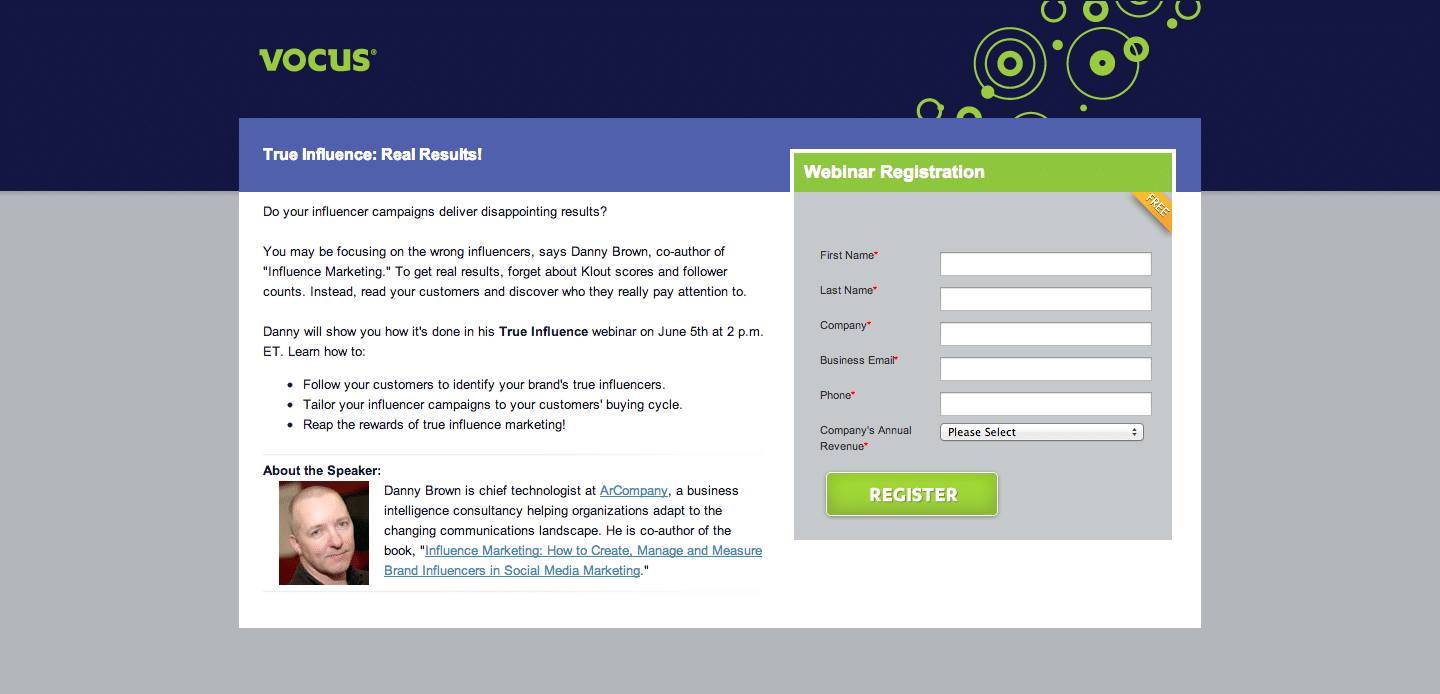
This week, I’ve cheated a bit (sorry!), and decided to share the accompanying presentation for my recent Vocus webinar on true influence.

Today, influence is determined by how high a social score you have. But that dilutes what true influence is, and places the attention on the wrong people.

By focusing on the customer and identifying who truly influencers their decisions at key times in the purchase life cycle, we can target better and gather lead generation, increase customer acquisition, and provide real ROI for influence marketing campaigns.

Enjoy.


The Third Stage of Influence Marketing – Free @Vocus Webinar

Vocus webinar influence marketing

Vocus webinar influence marketing

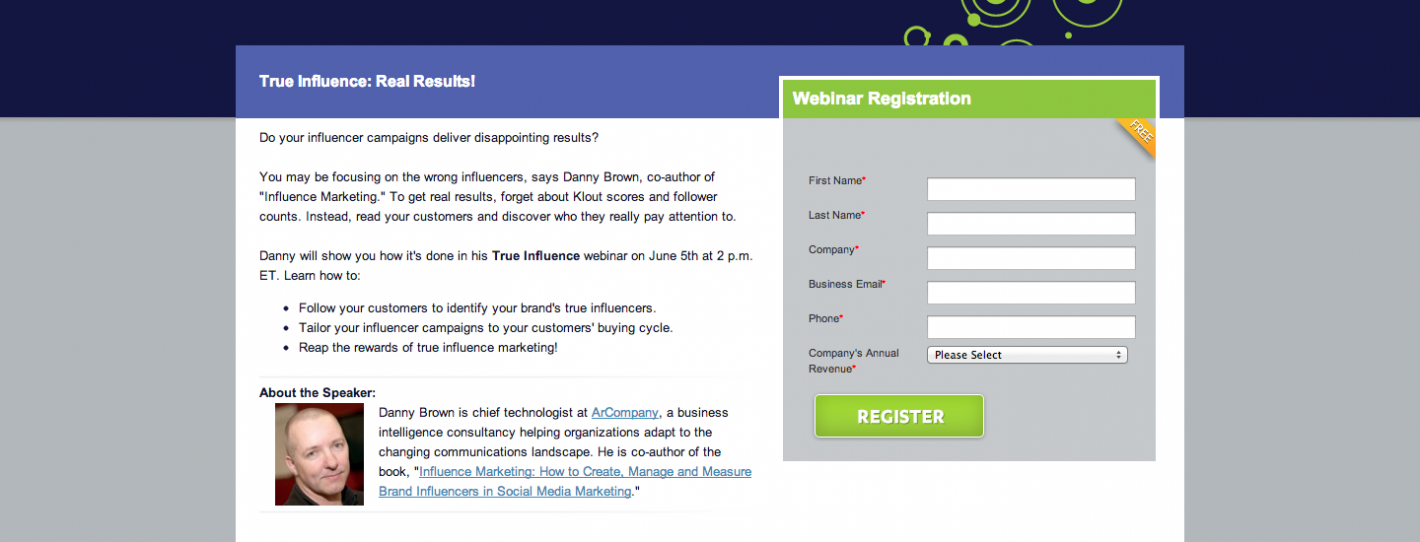
On Wednesday June 5th at 2.00pm EST, I’ll be hosting a free webinar in partnership with Vocus around actual business results through influence marketing. Details of the webinar and where to register are below.

For anyone that?s been involved in marketing for any amount of time, you?ll know there are shifts in thinking that take us beyond what we know, into what we can truly benefit from.

Think about some of the shifts from the last 20 years or so:

  • Print media and flyers to social media and banner ads;
  • Telesales to geo-fenced mobile marketing and QR codes;
  • Direct mail to email marketing;
  • Billboards to digital signage.

These shifts allowed us to be smarter at targeting audiences on a wider scale, and also to measure our campaigns more effectively.

However, despite these improved methodologies and metrics, there was still one form of marketing that could trump all of them ? word of mouth.

If we heard positive or negative feedback from a peer, friend or colleague about a certain product or service, there was a much higher chance of conversion to that recommendation than there was from any of the methods highlighted at the start of this post.

Brands understood the power of word of mouth marketing, and looked for ways to be part of these recommendations. This paved the way for influence marketing as we know it today ? otherwise known as social scoring.

Social scoring

The problem is, when it comes to actual business results like lead generation and customer acquisition, that definition hasn?t moved the marketing needle as much as the other shifts highlighted here.

Scoring platforms like Klout and Kred can help brands achieve share of voice and amplified awareness, but for true business results, we need to move deeper than the solutions they currently provide.

We need to move into the Third Stage of Influence Marketing.

What is the Third Stage of Influence Marketing?

When it comes to influence marketing, there are three clearly defined stages:

Stage 1: Celebrity Endorsement

PR pioneer Dan Edelman introduced the concept of celebrity endorsement in the middle of the last century. Seeing the shift of power to celebrities and how the public reacted to them, he pioneered the method of using stars like Vincent Price to represent the California wine industry. Through increased media, this led to an increase in sales and profits, and celebrity endorsement as a marketing tactic was born.

Stage 2: Social Scoring

While celebrity endorsements had a fine run and can still be used today to great effect, the danger of using a celebrity for your brand showed the flaws of that approach.

Tiger Woods; Lindsay Lohan; Mel Gibson; Oscar Pistorious; Lance Armstrong, and many more like them. Personal issues spilled into the public and began to tarnish the brands connected to these endorsers. A new method was needed, and this is where social scoring stepped in.

Early adopters in the social influence marketing space saw the potential of finding who was influential on a topic, and connecting these people to brands in that vertical to share that brand?s marketing message with their audience.

Initially, it worked. Superstar bloggers and social network users with large followings helped raise awareness for a brand or product, and public scores from Klout, Kred and PeerIndex could show which person was influential around what topic.

However, flaws started to appear in that methodology as well. Critics questioned the validity of the data and lack of success stories being shared publicly; influence was only measured by public Twitter updates unless you connected your other networks; and profiles and scores were being allocated to people without specific permission.

These flaws, along with how the algorithms on these platforms could be gamed, led to the need for a more effective and truer reflection of influence and what it means in the marketing sector.

Stage 3: Customer Centric Influence Marketing

The problem with both celebrity endorsements and social scoring when it comes to influence is that they both place the ?influencer? at the heart of the marketing circle.

While they may have a large following or audience, that doesn?t mean they?re right for the various segments of a brand?s customer base, current or potential.

The purchase decisions of a customer are influenced by many factors: emotional, financial, familial, peer, logical, time and many more.

True influence webinar

Additionally, a message resonates differently with customers depending where they are in the purchase life cycle.

Research. Awareness. Consideration. Intent. Purchase. These are just five stages of the purchase life cycle that need to be addressed differently ? then you also have guilt and vindication play into the mix of decisions.

As you can see, the simple act of making a purchase is far from simple, if we ? as marketers ? are looking to encourage the customer along the decision-making path and into the action of making a purchase.

This is where the Third Wave of Influence Marketing succeeds, because it places the customer at the heart of the marketing circle and works back from there.

We can identify where customers are regarding their decision to buy; we can identify what issues or questions they have around it; who in their immediate circle influences them and at what stage; and how we can overcome disruptors like competitor messaging and situational factors.

The upcoming True Influence webinar will show you exactly how to utilize this new wave of influence marketing, and how to drive real business metrics that add to the bottom line ROI while improving the top line, as well as the lifetime value of your customers.

I look forward to sharing with you.

To register for the webinar, click here.

A Fireside Chat on Influence Marketing

On May 15, one of our favourite influence platforms, Traackr, were the kind hosts of the official U.S. launch of our Influence Marketing book.

Held in downtown San Francisco, the event saw over 100 professionals from agencies, organizations and brands representing marketing, communications and PR.

The event was held in a relaxed, “fireside chat” format, and chaired by marketing veteran Chris Heuer. We discussed the core concepts in the book, and opened the floor up to questions from attendees, to make it a truly interactive evening.

You can watch the full chat in the two videos below, and our sincere thanks to Traackr, as well as partners Nimble and Eastwick, for hosting the event, with special thanks to Evy Wilkins, VP Marketing at Traackr, for making the evening such a success.

[vimeo width=”650″ height=”400″]https://vimeo.com/67246181[/vimeo]

[vimeo width=”650″ height=”400″]https://vimeo.com/67246180[/vimeo]

  • « Go to Previous Page
  • Page 1
  • Page 2
  • Page 3
  • Page 4
  • Page 5
  • Page 6
  • Interim pages omitted …
  • Page 10
  • Go to Next Page »
© 2026 Danny Brown - Made with ♥ on Genesis